 |
 |
 |
 |
 |
 |
  |
|
 |
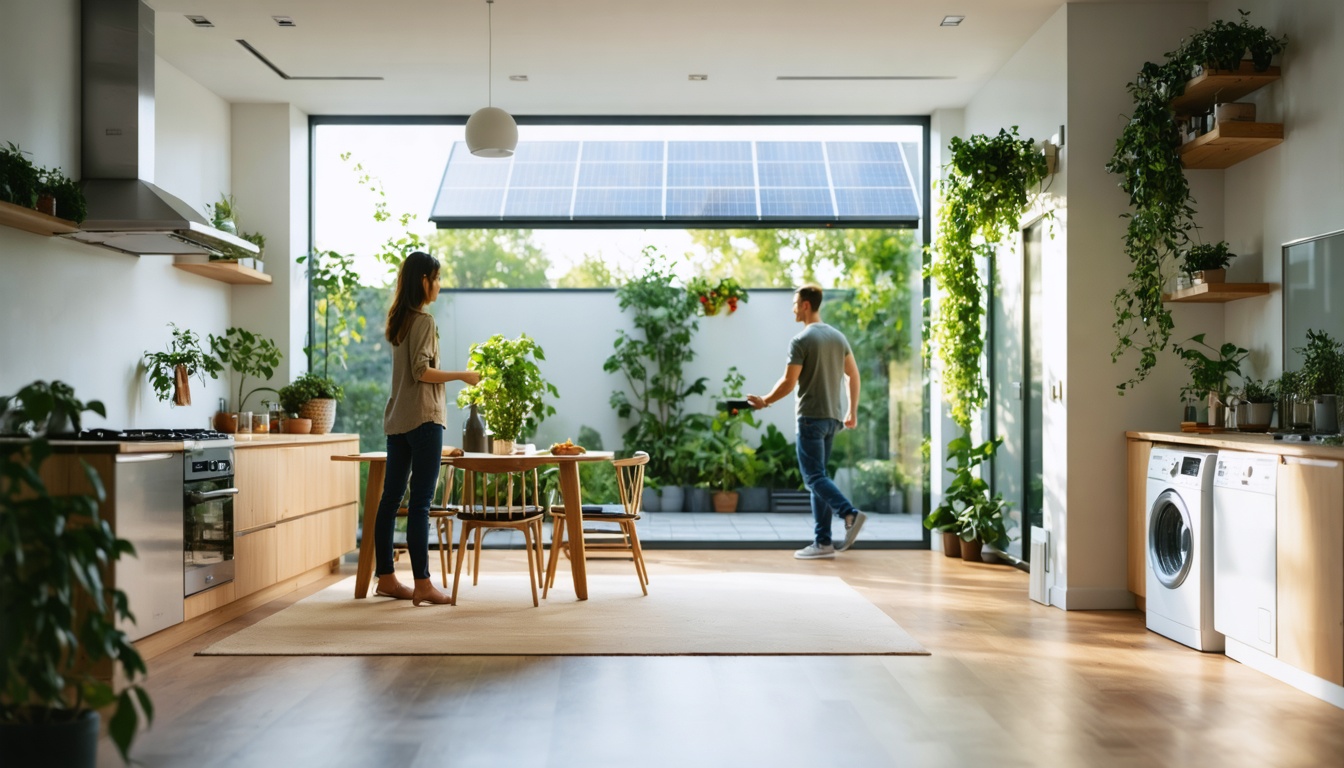
How Smart Energy Habits Can Reduce Household Electricity Waste
Many households may not be fully aware of their electricity usage and the potential for reducing waste through simple changes in daily habits. Common behaviors, such as leaving lights on or failing to unplug devices when not in use, contribute to unnecessary energy consumption and increased utility costs. Adopting energy-efficient practices can lead to both reduced electricity bills and a more comfortable living environment. For example, using LED bulbs instead of traditional incandescent lights can significantly lower energy consumption since LEDs use up to 75% less energy and have a longer lifespan. Additionally, utilizing power strips that can easily be turned off helps prevent "phantom" energy draw from devices that remain plugged in even when turned off. It is also beneficial to be mindful of heating and cooling practices. Setting thermostats a few degrees lower in winter or higher in summer can reduce energy usage without sacrificing comfort. Furthermore, regular maintenance of heating and cooling systems can enhance their efficiency, leading to lower energy bills. By analyzing common household practices and making informed adjustments, individuals can effectively decrease their energy waste, resulting in both financial savings and a reduced environmental impact.
Switch Off Lights and Electrical Appliances When Not Using Them
Making small adjustments to daily habits, such as switching off lights and unplugging electrical appliances when they are not in use, can significantly reduce energy consumption in residential settings. This practice helps conserve electricity and can lead to lower utility bills, which is in line with the energy efficiency standards established in Victoria.
These energy-saving measures also play a role in supporting the state's renewable energy objectives, which include strategies for solar energy adoption. For those looking to implement solar solutions, consider consulting with South Carolina Solar Installers. A key focus is addressing "phantom load," the energy consumed by devices that remain plugged in when turned off. Unplugging appliances is an effective way to mitigate this issue and can assist in compliance with relevant regulatory frameworks, such as the Retail Code and Liquefied Petroleum Gas Retail standards.
Additionally, technologies like smart meters and initiatives aimed at cycle air and energy storage are being implemented to optimize energy usage. These strategies aim to improve energy consumption efficiency while also ensuring a sustainable approach to resource management, which includes consideration for the needs of First Peoples' communities.
Adhering to established emergency backstop mechanisms further enhances the resilience of the state's energy system.
Switch to Energy-Saving LED Light Globes
Lighting accounts for a significant portion of residential electricity usage. Transitioning to energy-saving LED light globes can result in notable reductions in energy costs. LEDs are more efficient than traditional incandescent bulbs, as they convert a larger percentage of energy into light while producing less heat.
This characteristic may enhance safety in alignment with existing regulations in Victoria.
The shift to LED lighting is consistent with broader renewable energy goals and can help reduce both gas and electric bills. In Victoria, there are various incentives that support the adoption of LED lighting, including financial discounts and assistance for upgrades.
Research indicates that replacing five conventional bulbs with LEDs can yield average savings of approximately $75 per year for households. This change not only supports individual cost savings but also contributes to broader energy efficiency objectives and is supported by evidence found in various case studies.
Consumers are encouraged to consider the integration of LED lighting into their energy management strategies as part of a comprehensive approach to optimizing energy use.
Shut Doors and Close Curtains
Implementing modest modifications within the home can lead to measurable energy savings. Specifically, closing doors to unused rooms and using curtains or blinds can improve the efficiency of heating and cooling systems.
For households in Victoria, these practices can enhance energy management, reducing reliance on gas and electric systems and potentially lowering electricity expenses.
By closing doors and using insulated curtains, homeowners may achieve an estimated 20% reduction in energy costs. This aligns with insulation requirements that emphasize energy conservation and safety.
Furthermore, making upgrades that comply with current energy standards can facilitate the adoption of renewable energy sources, such as solar technology, and advancements like midday power savings and reverse cycle systems.
Moreover, conducting regulatory reviews can reveal available incentives and support offered through initiatives like the Supporting Solstice program in Victoria.
By embracing these habits, households not only advance energy efficiency but also support the overarching aim of sustainable energy use.
Save Energy in How You Wash and Dry Clothes
Reevaluating washing and drying methods can result in measurable energy savings and cost reductions for households.
In Victoria, using cold water instead of hot water for washing can decrease electricity costs by about $115 annually. This change not only reduces household utility bills but also supports renewable energy initiatives.
Washing clothes in full loads and opting for shorter washing cycles improve operational efficiency and can minimize gas and electricity usage.
For drying, line drying outdoors or using air-drying methods supplemented by fans can significantly lessen dependence on electric dryers. This not only leads to financial savings but also helps in meeting the energy efficiency standards established by Victoria’s programs.
These approaches address prevalent concerns regarding safety and expense while providing practical solutions to enhance energy efficiency in everyday laundry practices.
Track Your Energy Use with a Smart Meter
Understanding electricity consumption and its associated costs is important for identifying potential savings, especially since electricity rates can fluctuate throughout the day. Smart meters provide households in Victoria with real-time data on energy usage. This allows users to identify inefficient appliances and modify their consumption patterns for better efficiency.
With detailed insights, consumers can review their electricity bills, establish savings goals, and may qualify for various discounts through industry programs or improvements. Monitoring specific appliances, such as air conditioning, heating, hot water systems, and reverse cycle units, can help identify cost-saving opportunities during peak usage times.
These features not only assist individual households but also support businesses and Indigenous communities in aligning energy use with regulatory standards, storage targets, and initiatives aimed at increasing the use of renewable energy sources such as wind and solar.
In addition, smart meters contribute to the promotion of zero-emission vehicles and help ensure compliance with relevant regulations in the energy sector.
Save Energy in the Kitchen
Kitchen routines can differ among households, yet minor adjustments to cooking and cleaning practices can result in notable energy savings.
Using a microwave rather than an electric oven generally proves to be a more energy-efficient method, which is particularly relevant in Victorian households. Covering pots and pans while cooking conserves energy and minimizes cooking time. Additionally, thawing food in the refrigerator rather than using hot water can further reduce both cooking time and energy consumption.
Regarding dishwashing, it is advisable to operate the dishwasher only when completely loaded and to select the economy cycle, as these practices contribute to lower energy usage.
Implementing these strategies can lead to reduced utility bills and assist in compliance with renewable energy standards. They also align with energy-saving initiatives aimed at achieving lower emissions, benefitting various sectors, including industry, businesses, and Aboriginal communities in Victoria.
Such practices offer a practical approach to energy conservation in the kitchen, encouraging sustainability without imposing significant lifestyle changes.
Manage Your Heating and Cooling
Effectively managing a home’s heating and cooling systems can result in significant reductions in electricity consumption and related costs. Setting thermostats to 18-20°C during winter and 26°C in summer can enhance energy efficiency.
To further optimize energy use, it is advisable to close curtains to reduce heat gain, seal gaps to prevent drafts, and improve insulation to meet Victorian standards.
In Victoria, regular maintenance of reverse cycle air conditioning units is recommended to ensure they operate efficiently. Homeowners may also explore potential upgrades that could qualify for discounts or satisfy specific energy storage targets established by regulatory bodies.
Additionally, it is important to routinely check the hot water system for optimal efficiency. For more detailed information on energy-saving practices, regulatory updates, and initiatives like the midday power saver program, consulting Victorian industry guides and case studies is encouraged.
Get the Best Energy Deal
Monitoring your household's electricity plan is an effective strategy for achieving potential savings over time. The Victorian Energy Compare tool is a resource that allows consumers to assess different energy offers and discounts. On average, households in Victoria can save approximately $330 by utilizing this tool.
It is recommended to periodically review energy bills to detect any irregularities and ensure participation in the Victorian Energy Upgrades Program. This program focuses on enhancing the efficiency of energy usage in homes.
Maintaining accurate and current records of your electricity, gas, and water systems is crucial for enabling meaningful comparisons between various energy providers.
Additionally, being informed about the Retail Code, smart meters, and changing industry standards is beneficial in comprehending available offers and consumer rights. Engaging with renewable energy sources, such as solar power and energy storage initiatives, may also have an impact on energy pricing.
For questions regarding energy payments or safety protocols, consulting the appropriate resources is advisable for making well-informed decisions.
Insulate Your Roof and Explore Solar Energy Options
As energy prices fluctuate and environmental concerns grow, it is prudent for homeowners to consider practical measures such as roof insulation and solar energy systems to manage electricity costs.
Upgrading insulation to meet current standards can lead to energy savings of approximately 20% on heating and cooling expenses for households in Victoria.
In conjunction with improved insulation, exploring renewable energy options—such as solar or wind systems—can enhance overall energy efficiency and support a transition to electric-based systems.
In Victoria, several programs provide financial incentives, including discounts, to encourage the adoption of these technologies. The implementation of solar hot water systems can also reduce gas expenses, while available feed-in tariffs and energy storage solutions may further contribute to savings from renewable energy sources.
Homeowners are encouraged to become informed about industry standards and consumer protections related to various technologies, including Solstice systems, reverse cycle heating, and smart meters.
It is beneficial to research available offers, rebates, and regulatory changes that can enhance energy savings and ensure safety.
By adopting these measures, homeowners can effectively manage their energy consumption and associated costs in alignment with current environmental standards and economic conditions.
Conclusion
Implementing smart energy habits can effectively reduce electricity waste in households. Actions such as turning off appliances when not in use, monitoring energy consumption through various technologies, and opting for energy-efficient products have been shown to lead to decreased energy use. Research indicates that these measures can result in significant cost savings on utility bills. For instance, the U.S. Department of Energy estimates that collectively, American households can save up to 25% on their electricity bills by making energy-efficient choices. In addition to financial benefits, adopting these habits contributes to environmental sustainability by reducing overall energy demand. This, in turn, can lead to lower greenhouse gas emissions associated with electricity production. Encouraging other members of your household to adopt similar practices can further enhance these benefits. As awareness of energy usage grows, the potential for wider community impact also increases, fostering a collective approach to energy conservation. In summary, integrating smart energy habits is a practical strategy that yields both immediate savings and long-term advantages for households and the broader community.
|
Telephone | |